

About Victoria Harris
My approach to songwriting
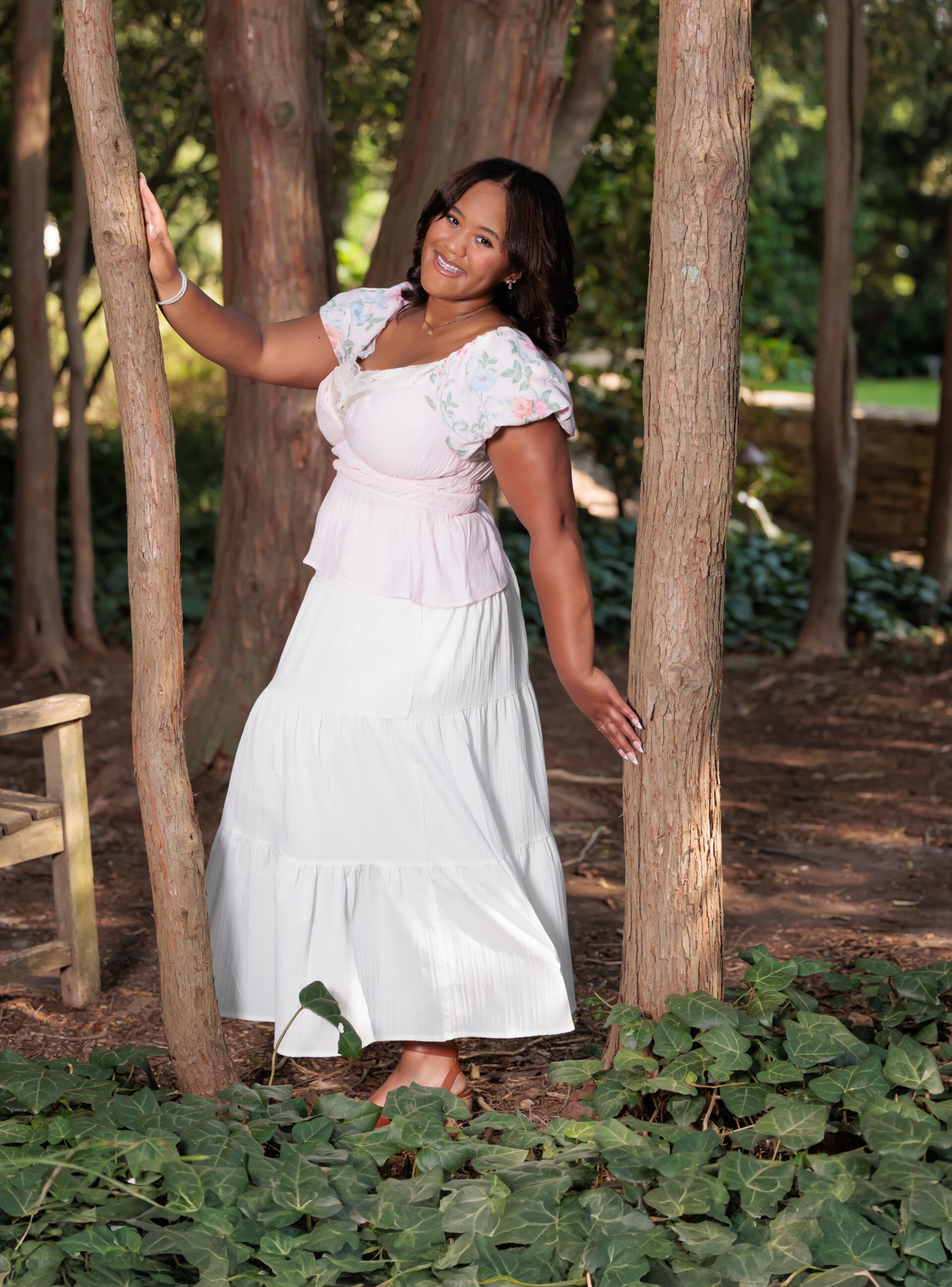
I am a songwriter and self-taught composer who cares deeply about transforming personal experiences into meaning. My bread and butter is the lyric and the story: taking experiences (including difficult or deeply personal ones) and finding a way to translate them into something more universal that others can find meaning in or recognize themselves in.
I learned through this project that I tend to write songs as interconnected pieces rather than isolated tracks. Mahogany, for example, became an interwoven story about one season of my life, with recurring ideas, imagery, and themes that developed across the album. As I wrote it, I began to realize that the songs were forming a larger emotional and conceptual world of their own, and that these pieces belonged together as an album.
As a writer, I often use symbolism, metaphor, wordplay, and other literary devices to give greater depth to my work while still leaving room for interpretation. I want the underlying meaning to remain true to the experiences that inspired it, while allowing listeners to engage with the imagery, make their own connections, and have the pleasure of discovering what the work means to them.
Ultimately, I want my work to be personal and honest without ever spelling out or dictating exactly what listeners should think or feel. Instead, I hope to leave enough room for someone to encounter an album or song, find their own meaning in it, see themselves somewhere within it, or come away with a perspective they had not considered before.
My goal is for my work to outlive the specific experiences in my life that created it, and for it to grow from something initially made for personal self-understanding into art that can exist independently of me and mean something to other people.
The story behind Mahogany
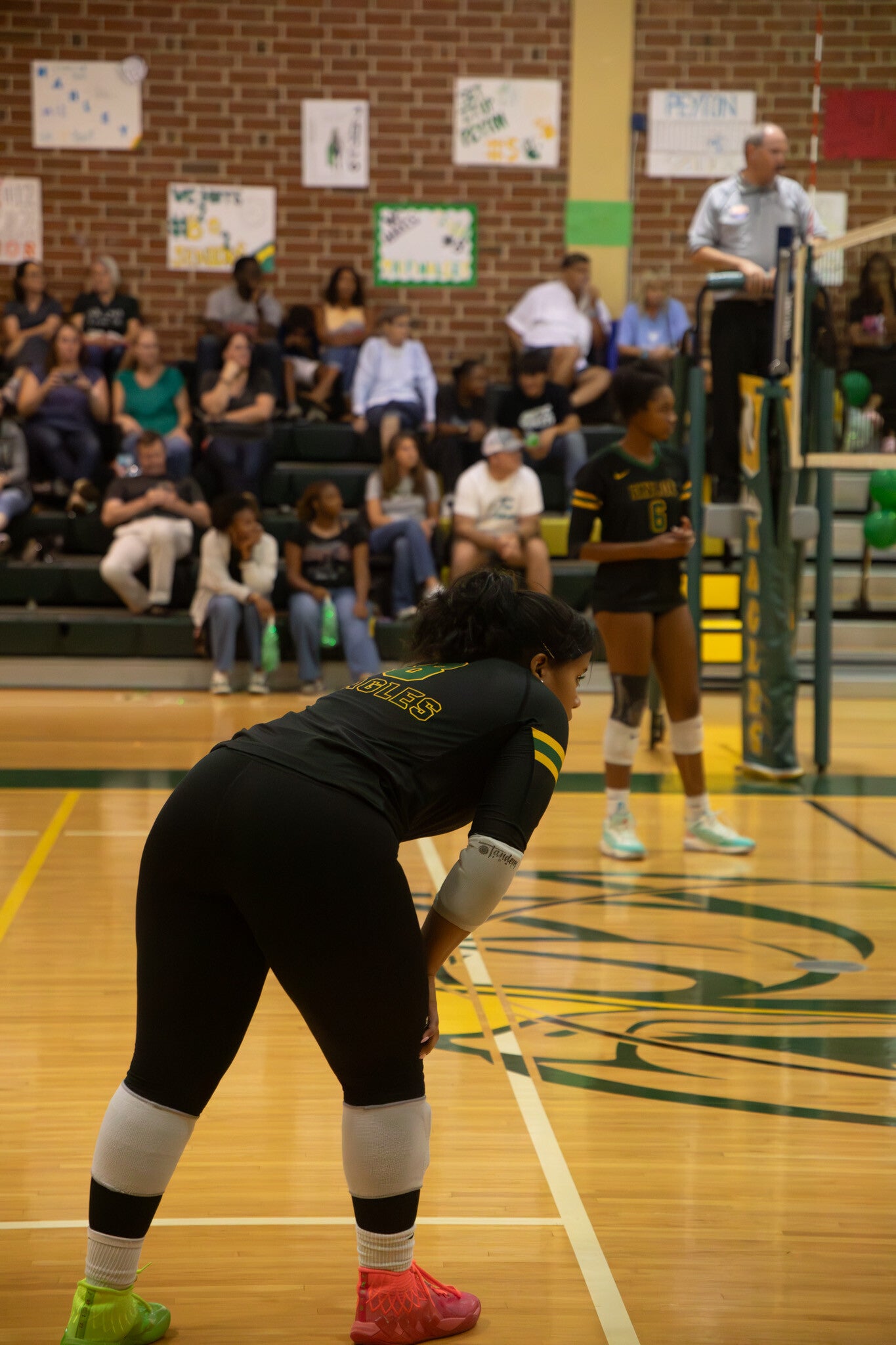
I wrote Mahogany while I was seventeen, initially with no intention of creating an album. Fresh off my senior-year retirement, it began as a way of emotionally processing both my nearly decade-long relationship with volleyball and the fact that it had just ended. Volleyball had shaped my life since I was ten years old, and over time, it had become deeply ingrained in my identity. After retiring, I suddenly had this unfamiliar amount of free time that I had to a) figure out how to fill, and b) use to understand who I was outside of the sport.
Writing quickly became part of that process. I had been writing poetry since I was in fourth grade, so returning to writing felt quite natural. At first, I was simply writing songs for myself as a hobby. I wrote one song, then another, then another, and before I really knew what was happening, those few personal songs had become four, then more, and eventually an album.
As I look back on Mahogany, I see it as a larger exploration of my experience with volleyball: the ambition it gave me, the identity I built around it, the expectations I placed on myself, the self-worth I tied to performance, and what happens when something you love becomes so defining that you begin to struggle imagining yourself outside of it.
The album ultimately became more than a collection of songs about individual experiences. As I wrote, recurring imagery and symbolism started appearing across different tracks—specific and weird images such as horses, wood and mahogany, frost and mildew, gold, tides, wind, and different forms of restraint. I gradually realized that these images and ideas were connecting the songs into a larger narrative, and that this narrative was Mahogany.
Beyond Mahogany
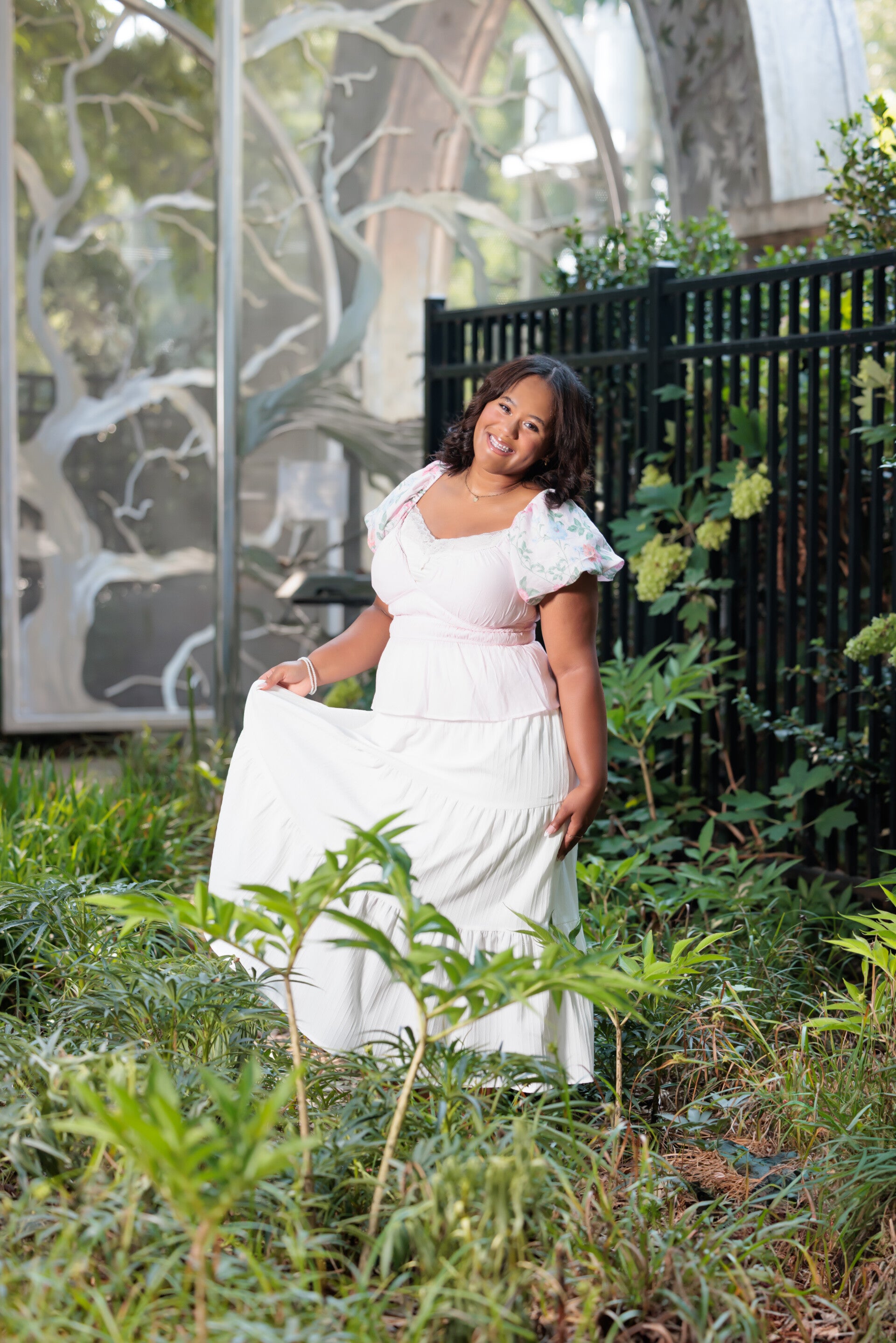
Outside of music and writing, I am deeply interested in sociological perspectives, particularly the connections between physical health, mental health, identity, behavior, and the experiences in our lives that shape who we become. I am currently studying Public Health at the University of Maryland, College Park, and I am interested in understanding how social environments and broader systems influence both physical and mental health.
Mahogany is my first public creative work as a songwriter and self-taught composer, and I have found myself loving every part of this process. From writing lyrics and composing melodies to formally notating the music, organizing the album, and developing its visual and creative identity, this experience has only made me want to continue writing, composing, playing piano, and exploring new ways to connect personal experiences with music, lyricism, and storytelling.
Mahogany marks the beginning, and I am excited to see where songwriting, composition, public health, sociology, and everything I learn in the years ahead continue to take me. At the time of Mahogany's publication, I have already begun developing ideas and writing the first few songs for my second album.