

About Mahogany
Mahogany is a 17-track concept album I wrote and composed while I was seventeen. This page is a look at how the project came together, what went into making it, and some of the ideas that shaped its world.
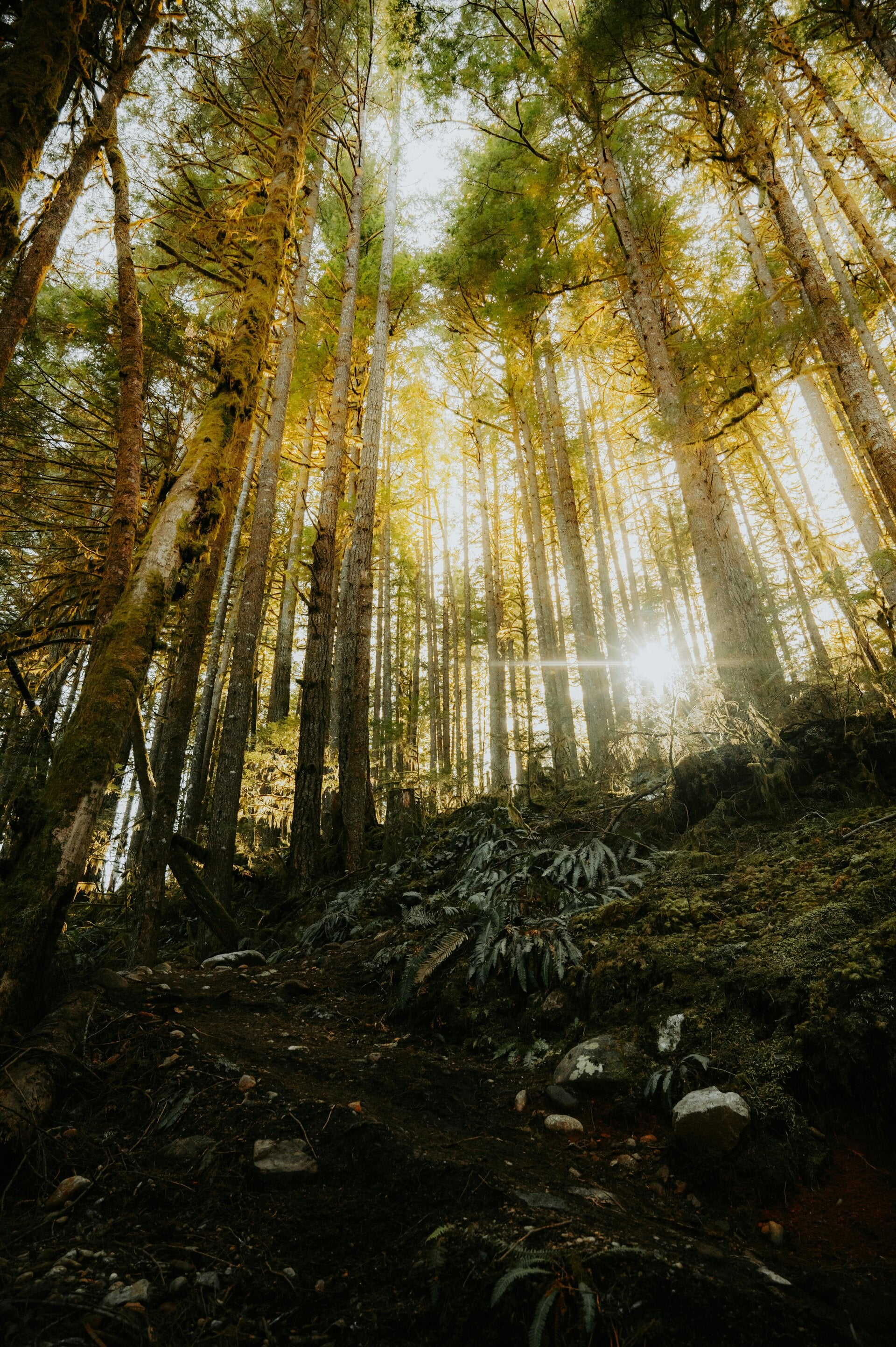
A tree grows from the ground up
Mahogany started as a collection of different ideas that I compiled both during and after my time playing volleyball. Over time, I began writing those ideas into lyrics, and those lyrics became songs that would eventually form the Mahogany album.
Perhaps the largest part of this project for me was its world-building, and how deeply metaphorical this nature-infested album is. Rather than being literal, I constructed the album around a system of forests, trees, bodies of water, wind, and other natural imagery. These images invite readers and listeners into a world where they can take on meanings beyond what they literally represent.
This allowed me to take something very idiosyncratic and personal to me and make it feel more universal. What I see when I think about the wind might not be what someone else sees. A forest, for instance, might mean something completely different to another person than it does to me. That, I believe, is part of what makes metaphor so useful: it allows me to take something specific to my own experience and leave enough room for someone else to find themselves in it.
I spent a lot of time thinking about the themes and concepts behind the project, developing the lyrics, composing the melodies, notating the music, and figuring out how I could turn all of these different ideas from my life into metaphors that could become songs and still exist within the same world. I wanted the songs to feel connected rather than like a collection of unrelated pieces, and I worked carefully to figure out how they could ultimately function as one cohesive project.
Ironically enough, over time I found that I had transformed my experience under white fluorescent sports lighting into something far more natural.
Mahogany was born.
Or, planted.
From notebook to notation
I wrote and composed everything entirely by myself. Despite wanting to, I had never taken a formal music theory class. Most of what I learned came through experimentation and instinct. A lot of the time, the lyrics and melody came to me simultaneously. I would find the words while also instinctively figuring out where the melody should rise, fall, pause, or change.
Notating the songs was a much more painstaking process. I often had to press keys on the piano to find the notes I had already heard in my head, then slowly work out how to put the music onto paper. It was tedious, but it proved very rewarding, especially when I could finally look at an entire song fully notated in front of me.
"Mahogany" — Track 6 — Original notebook draft
"Mahogany" — Track 6 — Final notation
Explore more original notebook drafts alongside the final scores for Mahogany.
Influences
I did, of course, have artists who inspired me along the way.
Lana Del Rey has probably been my most foundational influence, especially in the way I think about songwriting itself. Since middle school, I have admired the way she can be glamorous while still being unapologetically herself, and how she makes room for both melancholia and joy in her music. I especially admire how openly she expresses what she is feeling.
Melanie Martinez, particularly through PORTALS (2023), influenced the way I think about world-building and metaphor. Funnily enough, while I admire Lana Del Rey for how directly she can express what she is feeling, I also admire how Martinez rarely says exactly what she means. Instead, she builds elaborate metaphors that can be strange and specific while still connecting to something other people can recognize in themselves. I really admire the imagination and ingenuity involved in such an approach, and it made me think about how I could do something similar with Mahogany while making the world my own.
This is where the idea of a forest began to take shape: a place where being lost could become a metaphor for being lost in the mud of perfectionism.
These artists influenced different parts of how I approached Mahogany, but the album ultimately became its own thing.
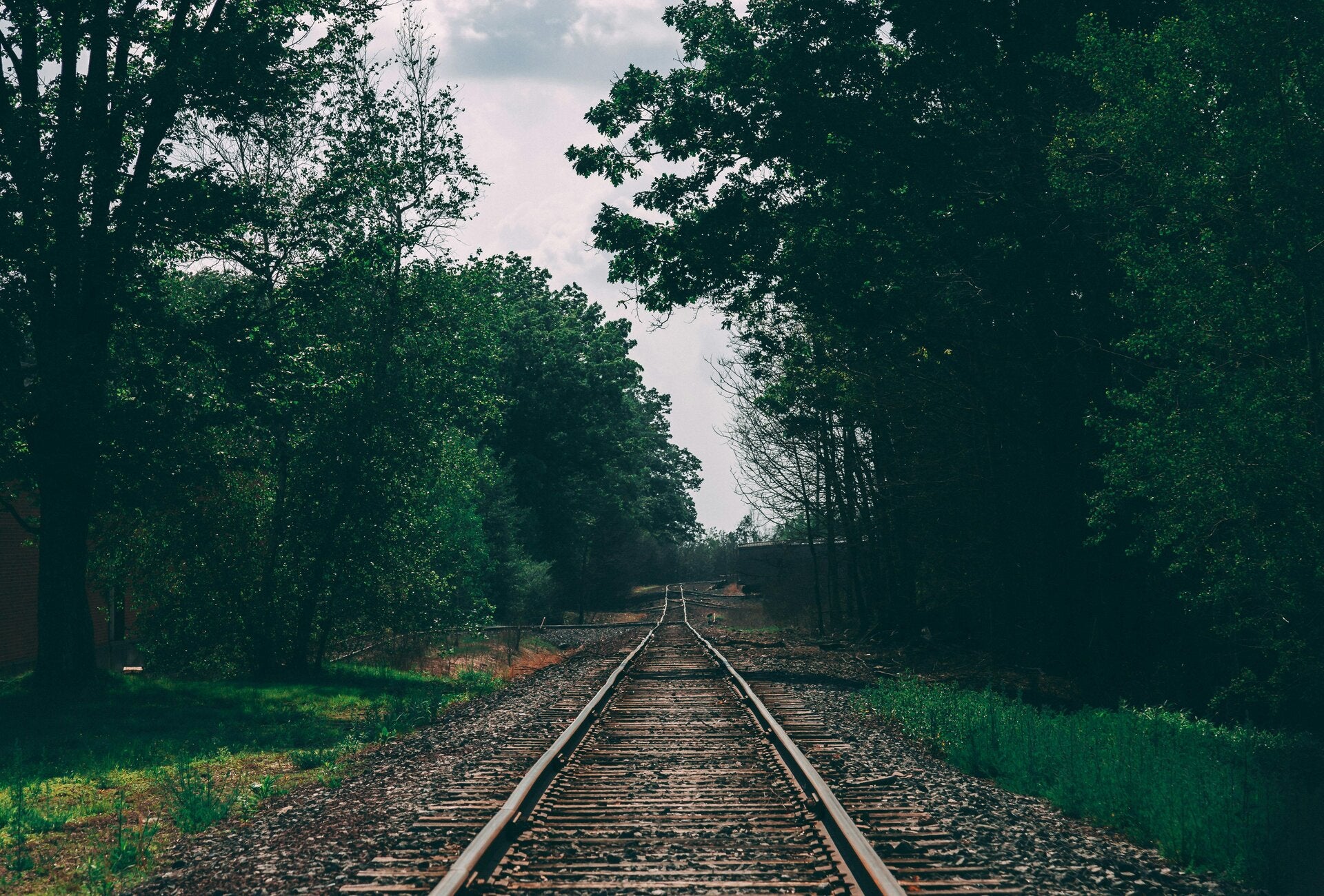
Get lost in the forest
There isn't one correct way to experience Mahogany. Enter the forest yourself and see what you discover.